
The historical evolution of gambling A journey through time and culture
The Origins of Gambling
The practice of gambling can be traced back to ancient civilizations, where it served various social and cultural purposes. Evidence from archaeological sites reveals that games of chance using dice date back to at least 3000 BCE in Mesopotamia. These early forms of gambling were often linked to rituals and the belief in luck, signifying a deeper psychological need for humans to seek fortune and predict outcomes. Additionally, you can explore australian online casino to see how modern forms of this practice have evolved today.
As societies evolved, so did gambling. In ancient China, around 2000 BCE, activities resembling lotteries emerged, showing that the desire to wager on uncertain outcomes is a timeless aspect of human behavior. Gambling was not merely a leisure activity; it intertwined with social structures, serving as a tool for camaraderie and competition.
The Role of Gambling in Ancient Cultures
Throughout history, different cultures have utilized gambling in unique ways, reflecting their societal values. In ancient Rome, for instance, gambling was prevalent during public festivals and military celebrations. The Romans engaged in betting on gladiatorial contests and chariot races, demonstrating how gambling was woven into the fabric of entertainment and communal activities.
Similarly, in India, games of chance appeared in various texts and mythologies, such as the Mahabharata. Here, gambling represented not just entertainment but moral dilemmas and consequences. This dual nature of gambling, as both a game and a potential vice, illustrates the complex psychology surrounding it throughout history.
Gambling in the Middle Ages to the Renaissance
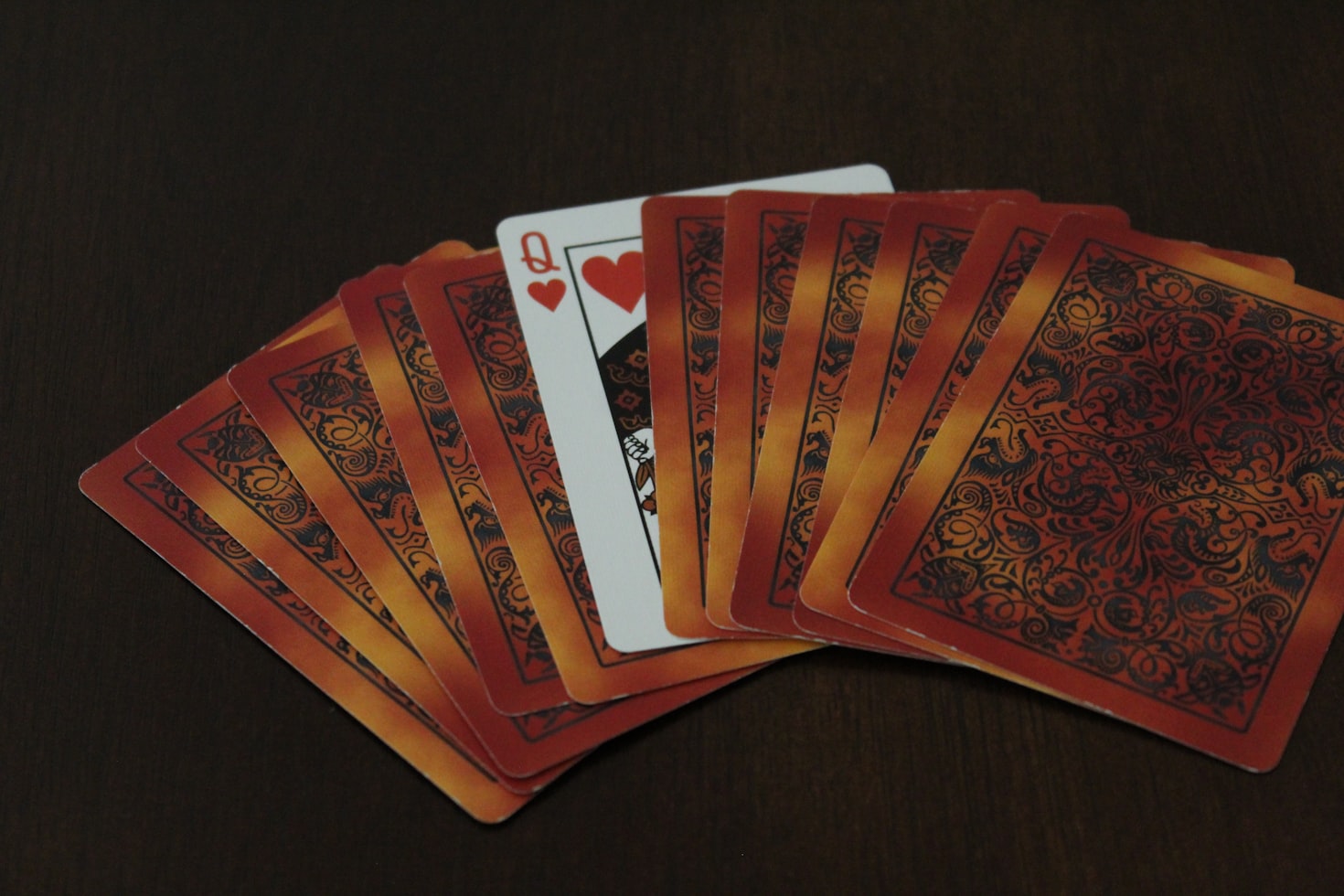
During the Middle Ages, gambling faced both condemnation and acceptance, as religious institutions grappled with its moral implications. While many viewed it as sinful, it also became a popular pastime among nobility. The emergence of card games in Europe during this period sparked further fascination and complexity in gambling practices.
The Renaissance brought about significant changes, including the establishment of gambling houses and casinos, particularly in Italy. These venues transformed gambling into an organized activity, contributing to its social acceptance. This period marked a significant shift in the perception of gambling from a mere distraction to a sophisticated leisure pursuit, laying the groundwork for the modern gambling industry.
Modern Gambling: Legalization and Regulation
The 19th and 20th centuries saw the evolution of gambling into a more structured and regulated activity. The introduction of state lotteries and the legalization of casinos in various regions made gambling more accessible to the general public. This shift was driven by economic factors, as governments recognized the potential revenue that gambling could generate.
Moreover, the rise of technology in the late 20th century revolutionized the gambling landscape. The internet opened new avenues for online gambling, further expanding the reach of gambling activities. Today, millions engage in various forms of gambling, from traditional casinos to online platforms, reflecting a culture that embraces both chance and skill.

Conclusion: Understanding Gambling Today
Today, gambling remains a multifaceted phenomenon that resonates deeply within our cultures and societies. It continues to evolve, influenced by technology, legislation, and social attitudes. Understanding the historical context of gambling provides insight into its psychological appeal and cultural significance, illuminating why it persists across generations.
As you explore the complex world of gambling, consider how history has shaped contemporary practices and perceptions. Our website aims to provide a secure and informative platform for those interested in the rich history of gambling and its ongoing evolution in today’s world.