
In the UK, the term “cloud gaming” now means you can launch a high‑end title on a modest laptop, a cheap Android phone, or even a smart TV without ever installing the game locally. Services such as Xbox Cloud Gaming, NVIDIA GeForce Now, and Amazon Luna run the game on remote servers and stream the video to your device at 60 fps, often with latency under 30 ms on a fibre connection. The result is a console‑level experience for as little as £4.99 a month.
How fast is the adoption curve?
According to a 2024 report from the UK Interactive Entertainment (UKIE) association, 27 % of British gamers tried a cloud service in the past year, up from 12 % in 2021. Among 18‑ to 34‑year‑olds, the figure jumps to 35 %. The biggest growth spurts appear in households that have upgraded to gigabit broadband; the same report shows a 45 % increase in cloud usage where download speeds exceed 100 Mbps.
Which devices are actually supported?
Most major platforms now cover a wide hardware spectrum:
- Windows 10/11 PCs – no GPU required, just a Chrome or Edge browser.
- Apple iPhone 13 and later – streaming works through the dedicated app or Safari.
- Android tablets with at least 4 GB RAM – the GeForce Now app runs smoothly on a Samsung Galaxy Tab S8.
- Smart TVs from 2020 onward – LG webOS and Samsung Tizen both host native cloud gaming apps.
- Handheld consoles – the Nintendo Switch can act as a thin client via third‑party apps, though official support is limited.
The key takeaway: you no longer need a $1,500 graphics card to play the latest releases.
What are the real‑world cost implications?
Buying a physical copy of a new AAA title still averages £60, plus the occasional DLC. A cloud subscription, by contrast, bundles a rotating library of roughly 150 games for a flat fee. For a household of three regular gamers, the monthly outlay drops from about £180 in purchases to £15 in a shared subscription – a saving of over 90 %.
There is a hidden cost, though: data consumption. Streaming a 1080p game at 15 Mbps uses around 7 GB per hour. A typical 20‑hour weekend session can eat up 140 GB, which may breach the data caps of some broadband packages. Savvy users therefore schedule long sessions when they have unlimited “off‑peak” allowances.
What limitations should players be aware of?
Latency remains the Achilles’ heel. While 30 ms feels instantaneous on a fibre line, a 4G mobile connection can push latency above 80 ms, causing noticeable input lag in fast‑paced shooters. Players living in rural areas with average speeds of 25 Mbps often experience stutter or reduced visual quality, forcing them back to local installations.
Another drawback is ownership. Subscribing gives you access only while the service is active; if a game is removed from the catalogue, you lose it forever, unlike a disc you can keep.
How does cloud gaming fit into the broader entertainment landscape?
Streaming movies, music, and now games are converging on the same platforms. A family might watch a Netflix film on the TV, then switch to a cloud‑based racing game without swapping devices. This seamless transition is reshaping living‑room habits, especially as more UK households adopt 4K‑capable TVs that double as gaming displays.
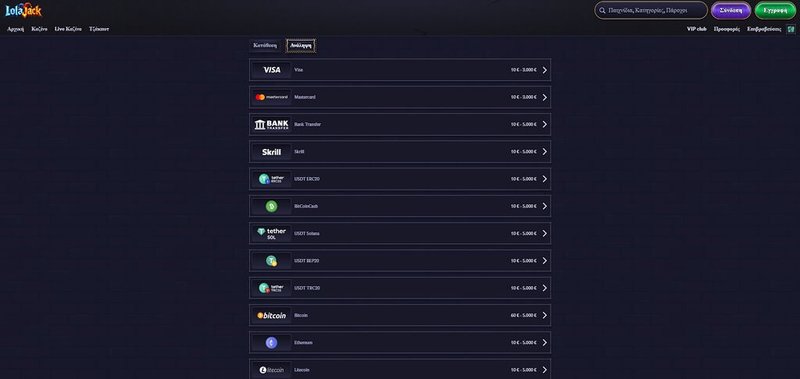
Speaking of convergence, the rise of cloud gaming has also nudged some players toward broader online entertainment ecosystems. For instance, the site lolajack offers a mix of streaming content and casual gaming options that complement the cloud experience, giving users a single portal for both video and interactive fun.
What does the future look like for UK gamers?
Industry insiders predict that by 2027, at least half of all new console purchases in the UK will be bundled with a cloud subscription. Upcoming 5G rollouts promise sub‑10 ms latency in urban centres, which could make mobile cloud gaming as responsive as a local console. Meanwhile, developers are beginning to design games specifically for the cloud, using server‑side AI to render complex scenes that would be impossible on a handheld device.
Until those advances become universal, the best approach is pragmatic: test a free trial on your primary device, monitor data usage, and keep a fallback local library for titles that demand ultra‑low latency. Cloud gaming is not a complete replacement yet, but it is rapidly becoming the most flexible way to play in the UK.
Frequently Asked Questions
What is cloud gaming?
Cloud gaming streams games from remote servers to your device, so you don’t need powerful hardware.
How does it work?
Games run on powerful cloud servers, video is encoded and streamed to your device over the internet; you send input back to the server.
What devices can I use?
Any device with a compatible app: smartphones, tablets, PCs, smart TVs, even low‑spec laptops.